
Storm Windows vs Replacement Windows: Which Makes Sense for Your Dayton Home?
In older Dayton neighborhoods you still see plenty of aluminum storm windows over original wood sashes. That pairing is not just old-fashioned. For the right house, a good storm window can fix much of the draft and cold-glass problem for a fraction of the cost of replacement. For other houses it only delays the inevitable.
This guide compares the two on cost, comfort, upkeep and historic-district rules, and lays out when each makes sense.
What is a storm window?
A storm window is a second, simpler window mounted on the outside or inside of an existing one. It traps a layer of air between the two, which slows heat loss and cuts drafts. Exterior storms also shield the primary window from rain and weather. Interior storms mount inside the room and leave the outside of the house unchanged, which can matter on historic facades.
A replacement window swaps the whole operating unit, and with a full-frame install, the frame too. Modern units typically come with insulated double- or triple-pane glass, low-E coatings and gas fills.
Storm windows vs replacement windows: cost
| Item | Typical range | Source |
|---|---|---|
| Storm window, per unit | $100–$400 + $67–$123 labor | Fixr, Aug 2025 |
| Interior storm unit / exterior storm unit | $100–$300 / $100–$400 | Fixr, Aug 2025 |
| Dayton, energy-efficient vinyl window, installed | $650–$1,100 per window | Modernize, Aug 2026 |
| National average replacement window | $800 (typical $450–$1,200) | Fixr, Jan 2026 |
| Wood replacement window (unit) | $600–$2,000 | Fixr, Jan 2026 |
Typical published ranges, not quotes (Modernize Aug 2026, Fixr Jan 2026 and Aug 2025). Dayton installers' quotes vary.
By those numbers, a storm window plus labor commonly lands somewhere between about $170 and $520 per opening, while a replacement window in Dayton often runs several hundred dollars more. For a house with 15 or 20 windows, the gap adds up. See our window replacement cost guide for whole-house figures and a calculator.
No tax credit either way. The federal 25C credit ended for windows and other improvements placed in service after December 31, 2025, and we found no AES Ohio or CenterPoint window rebates. Compare storms and replacements on their own merits. More in window tax credit 2026.
Comfort and energy: how close do storm windows get?
A well-fitted storm window over a sound, weatherstripped single-pane sash can noticeably reduce drafts and cold glass. It will not usually match a modern insulated window with low-E glass, and it cannot fix a sash that rattles, a frame that leaks air around the edges, or a sill that is rotting underneath.
Dayton winters make the difference real. The area averages about 5,149 heating degree days a year and roughly 110 nights at or below freezing (NOAA 1991–2020 normals), so every window works hard from November through March. If comfort and lower heating bills are the main goals and your sashes are in poor shape, replacement windows with a low U-factor will usually do more. Our energy-efficient windows page explains what to look for on the label.
When storm windows make sense
- The original windows are sound. Sashes are solid, glazing is mostly intact and the frames are not rotted.
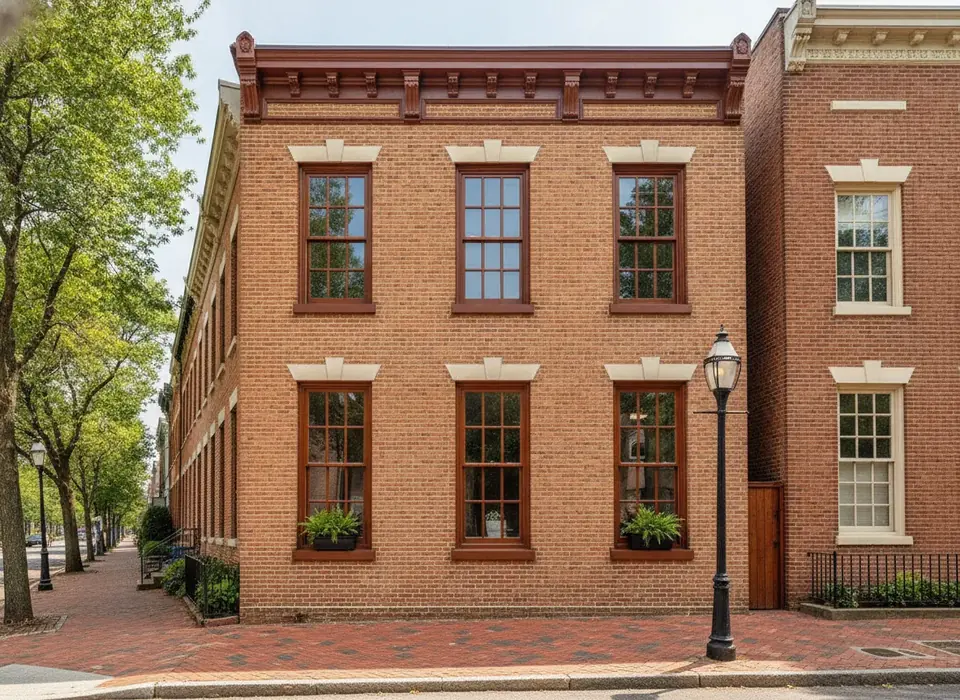
- The house is in a historic district. Repairing originals and adding storms can avoid the design questions that come with replacement. Interior storms leave the facade unchanged. See our Dayton historic district guide.
- The budget is tight. Storms can cover the whole house now, with replacement phased in later where it is truly needed.
- You value the original wood windows. In Oakwood, where the median home was built in 1938, many owners choose to keep and repair period sashes.
When replacement windows make more sense
- The sashes or frames are rotted. A storm window cannot save a failing frame.
- The windows already are replacements, such as 1980s and 1990s aluminum or early vinyl, and have failed seals or broken hardware. Our foggy window repair vs replace guide helps with seal failures.
- You want easier operation and cleaning. Tilt-in double-hungs or casements are simpler to live with than a primary sash plus a storm. See double-hung windows.
- Egress is needed in a basement bedroom. That calls for an egress window, not a storm.
Maintenance trade-offs
Storm windows add a layer to clean and hardware to keep working. Exterior storms need weep holes at the bottom kept clear, so moisture between the windows can escape. If you see heavy condensation between the storm and the primary window on cold mornings, ask an installer to look at air leakage and drainage.
Original wood windows also need periodic paint and glazing upkeep. Modern replacement windows need less day-to-day care but are not maintenance-free, and when an insulated glass unit fails, it fogs.
Lead paint and storm windows
If your home was built before 1978, installing storm windows can disturb painted trim, and replacing windows definitely does. EPA says window replacement does not qualify for its minor repair exemption, so the company must be an EPA Lead-Safe Certified Firm. For storm installs, ask the installer whether the work will disturb paint and how they will handle it. Our lead-safe window replacement guide has the details.
A middle path many Dayton homeowners take
Sort the windows
Mark each one as sound, repairable or failed.
Replace the failed ones first
Often the windows on the north and west sides, or the ones with rotted sills.
Repair and add storms to the sound ones
Especially on the street-facing side of a historic home.
Revisit in a few years
Phase in more replacements as budget allows.
To price both options for your house, describe your windows once on the free quote form. Independent local installers reply, and you can ask each one to quote storms and replacements side by side.
Questions people ask
How much do storm windows cost?
Fixr (Aug 2025) lists storm windows at $100–$400 per unit plus $67–$123 per window for labor. Interior units run about $100–$300 and exterior units about $100–$400. These are typical published ranges, not quotes.
Are storm windows as good as new windows?
Over sound, weatherstripped sashes, storms can cut drafts noticeably, but they usually don't match a modern insulated low-E window, and they can't fix rotted frames.
Are storm windows allowed in Dayton historic districts?
They are often part of keeping original windows, and interior storms don't change the facade. Exterior changes may still need review, so check with the Historic Preservation Officer first.
Should I use interior or exterior storm windows?
Exterior storms also protect the primary window from weather. Interior storms leave the outside unchanged and are easy to remove. An installer can help you decide based on your windows.